Puerto Vallarta · Punta Mita
Bariatric surgery,
with judgment
Before I operate, eight specialists review your case. It isn't a formality: it's the filter that separates patients who will benefit from surgery from those who need something else first.
If surgery isn't right for you, I'll tell you. That's the part of the job almost nobody charges you to do well.
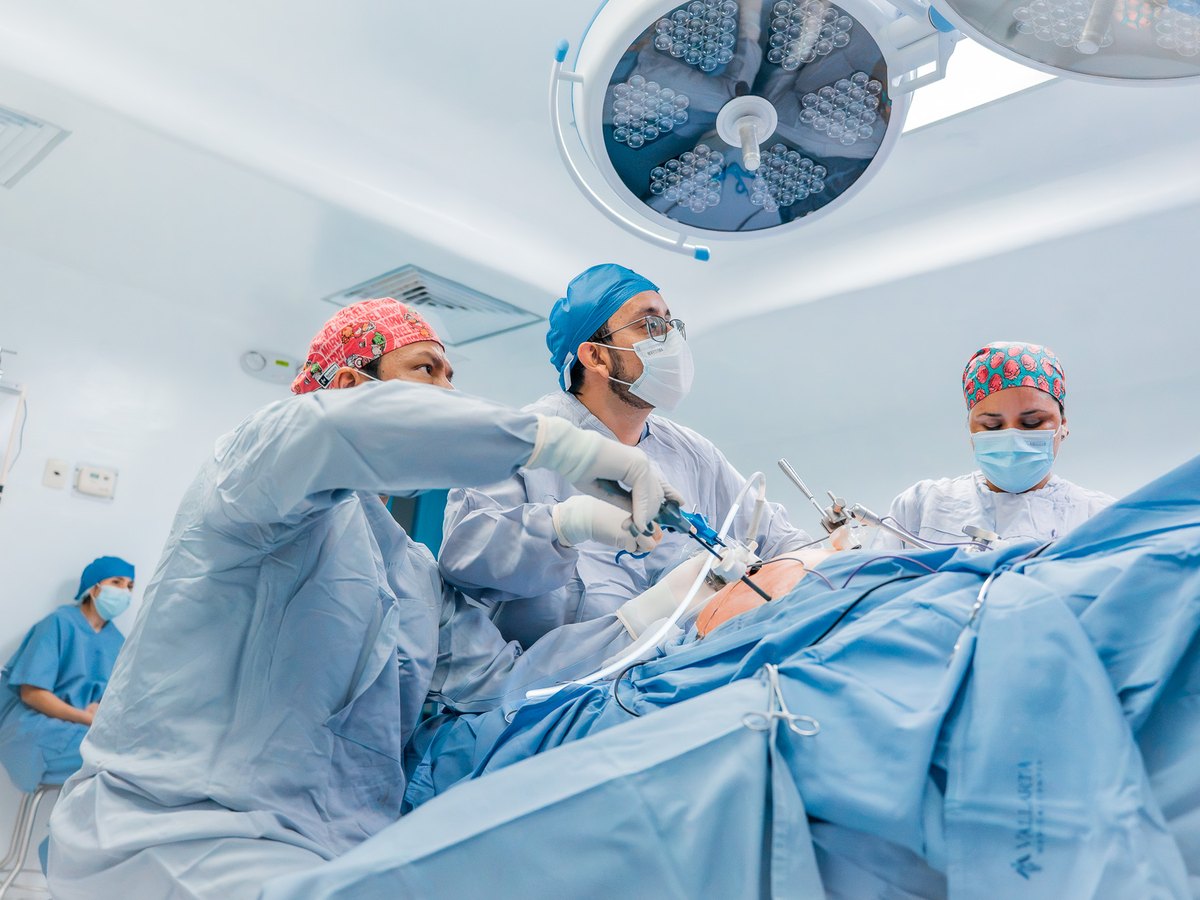
- 8Specialists review your case
- 1–2 nightsIn hospital
- 6 monthsOf follow-up included
- $8,500USD, starting price
Who operates on you
Before any surgery date exists,
eight specialists review your case.
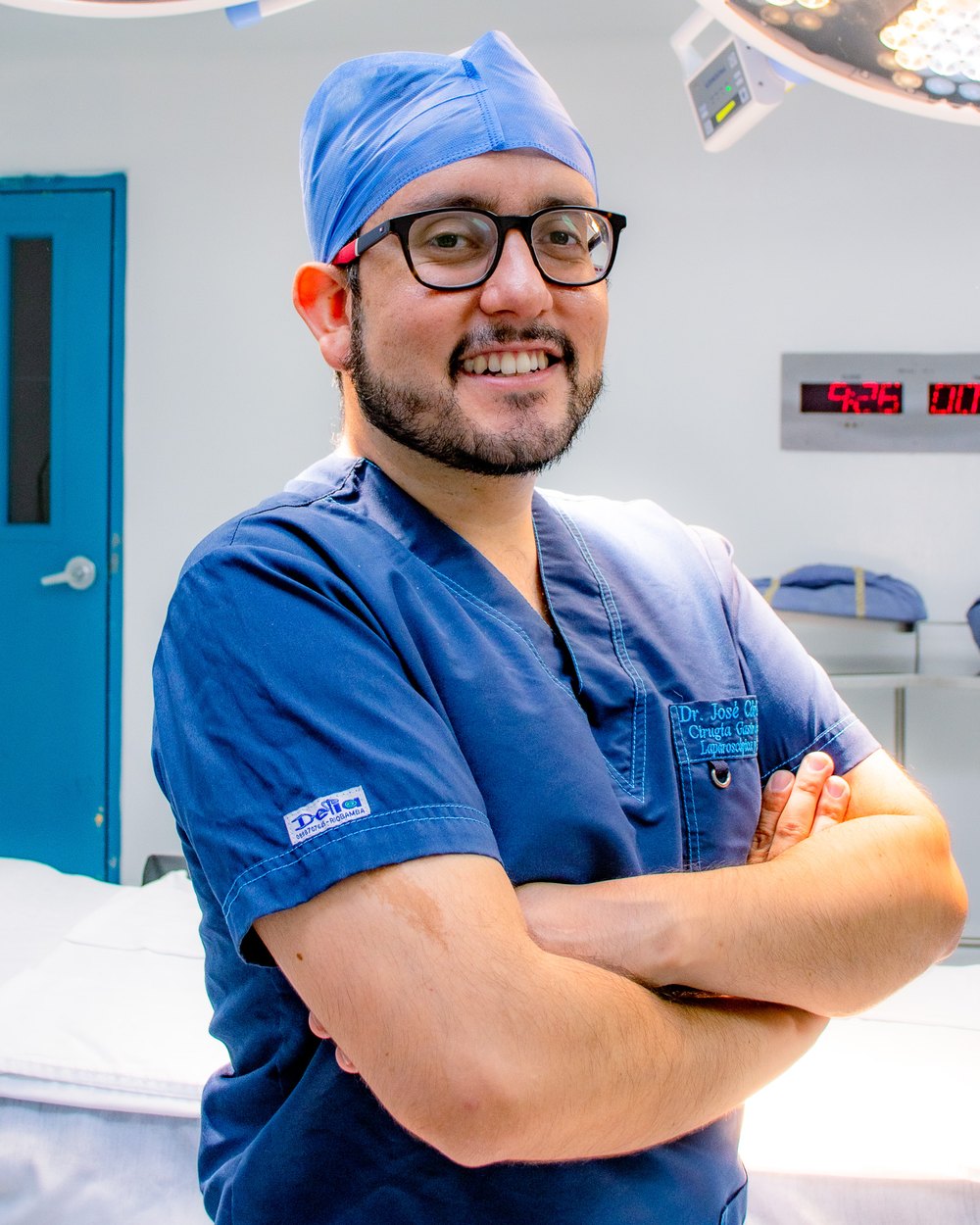
Dr. José Andrés Cárdenas Figueroa · General and bariatric surgeon
Board-certified by the Mexican Board of General Surgery
The first question
Who is a candidate,
and who isn't
Most bariatric websites only tell you the first half. The second half is what protects you.
It's worth being evaluated if
- Your BMI is 35 or higher, with or without related conditions
- Your BMI is between 30 and 35 and you live with type 2 diabetes, high blood pressure, sleep apnea or fatty liver
- You've tried medically supervised weight loss and couldn't sustain the result
- You can commit to lifelong follow-up, not just to the operation
Something needs to happen first if
- You've never had medically supervised weight-loss treatment
- You have an active substance addiction
- You have an uncontrolled psychiatric or eating disorder
- A medical condition needs to be stabilized first
- Someone else is making this decision for you
None of these is a permanent no. Several are a "not yet." The evaluation exists to find them before surgery, not in the operating room.
Procedures
The options
None is better than the others. One is right for your case, and that's decided with your tests, your history and your related conditions.
Gastric sleeve
About 80% of the stomach is removed, leaving a narrow tube. You feel full sooner and produce less of the hormone that drives hunger.
Read more 02Gastric bypass
A small stomach pouch is connected further down the small intestine. The option of choice with severe reflux or hard-to-control diabetes.
Read more 03Revision surgery
Already had bariatric surgery — here or anywhere else — and regained weight or developed reflux? The first step is finding out why.
Ask about revision 04Intragastric balloon
Placed by endoscopy, with no incisions, and removed after 6 or 12 months. A temporary tool, not a permanent solution.
Ask about the balloon 05Transit bipartition
A sleeve plus a second intestinal route. A strong metabolic effect while keeping the duodenum in the food path.
Ask about bipartition —What it costs
From $6,500 USD, with the full team and six months of follow-up. What's included, and how it compares.
See the costSide by side
How the procedures compare
Reference figures from the medical literature, not promises. Your result depends on your starting point and on follow-up.
| Procedure | How it works | Reversible | Hospital stay | Excess weight lost at 2 years | Especially suited if |
|---|---|---|---|---|---|
| Gastric sleeve | Restrictive and hormonalLess volume, less ghrelin | No | 1–2 nights | 50–70% | You want the least change to the digestive tract's anatomy |
| Gastric bypass | Restrictive and malabsorptiveLess volume, less absorption | Rarely in practice | 1–2 nights | 60–75% | You have severe reflux or hard-to-control type 2 diabetes |
| Intragastric balloon | Temporary restriction | Yes — removed at 6 or 12 months | Outpatient | 25–40% | Your BMI is below the surgical range, or you need to lose weight before another surgery |
| Transit bipartition | Metabolic | No | 2 nights | 65–80% | There's marked metabolic syndrome |
| Revision surgery | Depends on the prior surgery | No | 2–3 nights | Variable | You've had surgery before and regained weight or have a complication |
← Swipe to see every column
The difference
A full evaluation,
adapted for travel
Locally, the evaluation takes four weeks. If you're traveling, most of it happens before you get on a plane.
- Before you travel
Video consultation
- Surgical and nutritional history
- BMI and related conditions
- Whether you're a candidate
- Before you travel
Tests at home
- Labs in your home city
- Psychology by video
- Review by internal medicine
- In Puerto Vallarta
Final evaluation
- Upper endoscopy
- Pre-anesthesia assessment
- Cardiology or pulmonology if needed
- In Puerto Vallarta
Surgery and discharge
- 1–2 nights in hospital
- Post-op check before flying
- Follow-up by video from month one
What also has to be said
Risks and complications
Every surgery has risks. A surgeon who doesn't explain them before you ask isn't looking after you — they're selling to you.
General surgical risks
Bleeding, wound infection, blood clots and anesthesia-related complications. Reduced by a complete pre-operative evaluation and appropriate prevention.
Leak at the staple line or connection
The most serious bariatric-specific complication. Uncommon, but it has to be caught early — the reason for the contrast study and close monitoring in hospital.
Nutritional deficiencies
Iron, vitamin B12, calcium and vitamin D, especially after procedures that reduce absorption. Prevented with lifelong supplements and lab monitoring.
Weight regain
Happens in a share of patients, usually linked to dropping follow-up. It's the most common reason for revision surgery.
Common questions
About bariatric surgery
How much weight will I lose?
Published studies report that most patients lose between 50% and 70% of their excess body weight in the first two years, varying by procedure. The range is wide because the result depends on your starting point, the procedure and, above all, the follow-up afterwards. Nobody serious can promise you an exact number before evaluating you.
Why does the evaluation take four weeks?
Because it catches what a single consultation can't: an undiagnosed heart or lung condition, a relationship with food that needs work first, or an endoscopy finding that changes which procedure is right. For international patients, much of it happens by video and with tests at home, so your time in Puerto Vallarta stays short.
What happens if you tell me I'm not a candidate?
I explain why and what would need to change, if it can change. Often it's a “not yet”: a condition to treat, work with psychology, or a non-surgical approach to try first. You leave with a plan, not just a no.
How long is recovery?
One to two nights in hospital. Most people return to normal activity within 7 to 14 days, depending on the procedure and the kind of work they do.
About this page
Written and reviewed by

Dr. José Andrés Cárdenas Figueroa
General & bariatric surgeon
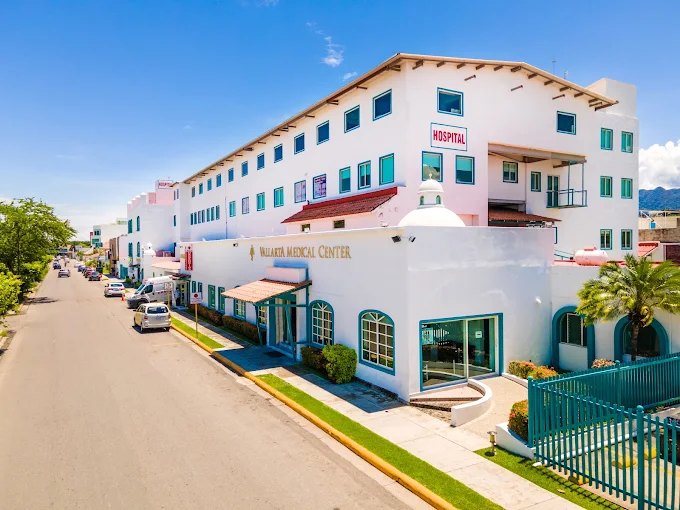
Residency in General Surgery at the University of Guadalajara, followed by post-residency high-specialty training in Advanced Minimally Invasive Gastrointestinal Surgery at the Autonomous University of Guadalajara. Staff surgeon at Hospital Vallarta Medical Center and Hospital Punta Mita.
Where and with whom
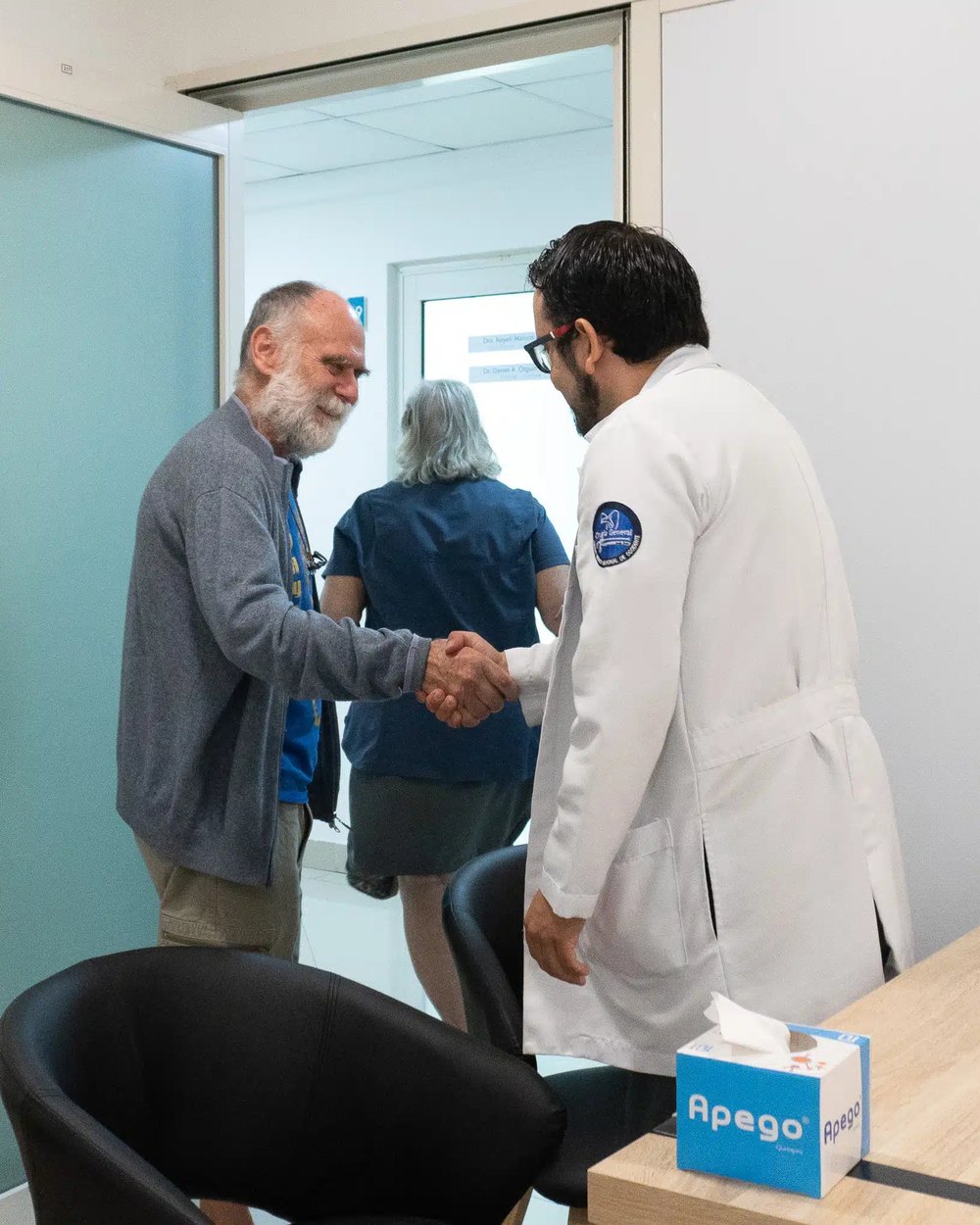
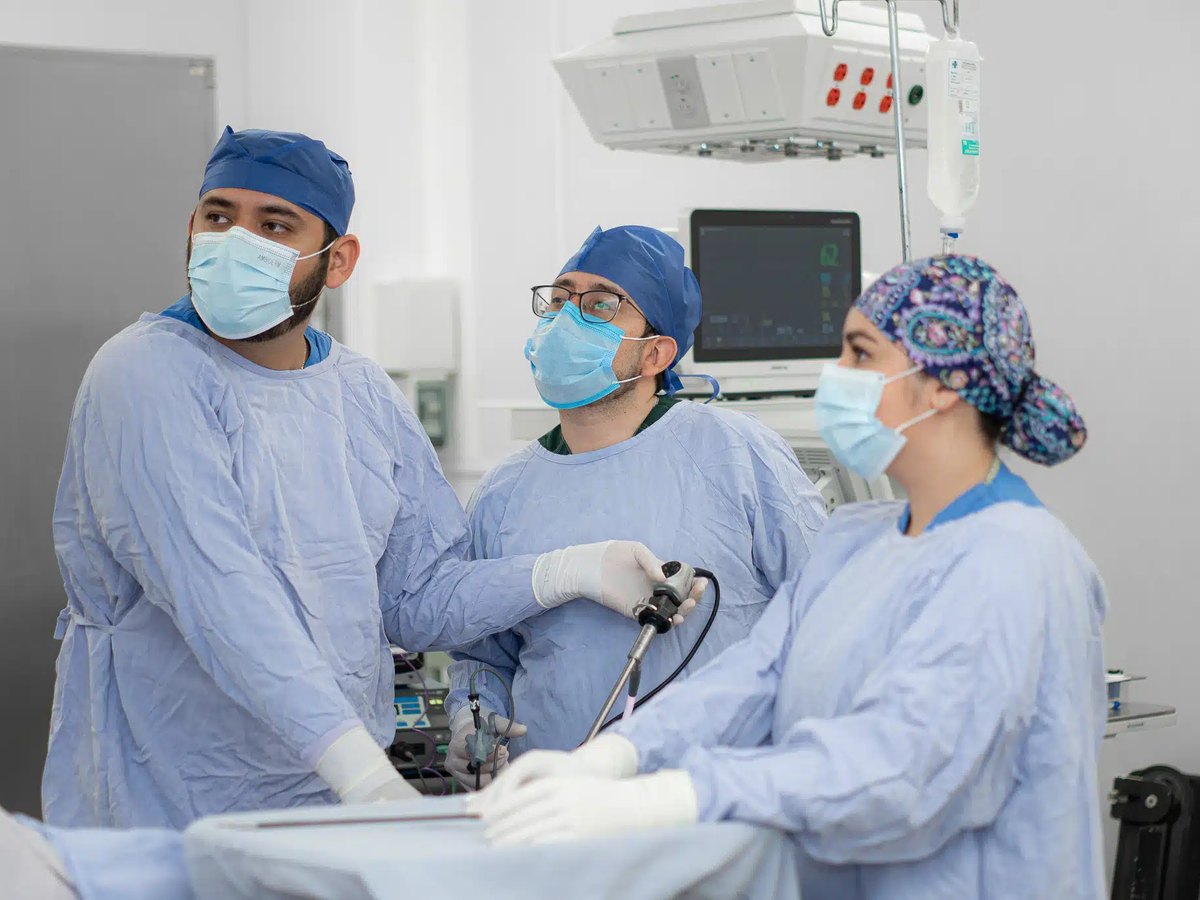
This is what working
with this team looks like
Google reviews
What patients say — unedited
every one of them 5 stars
“Highly recommended. A doctor with a great deal of experience who explains everything in such detail that you get the confidence you need before going into the operating room. Thank you for the empathy, care and monitoring during and after surgery.”
Translated from Spanish · original on Google
“Attentive and dedicated, very professional and punctual. I'm very satisfied with the care and how quickly everything moved, from the first consultation to the procedure and the post-op visits. I highly recommend him!”
Translated from Spanish · original on Google
“Dr. Cárdenas performed laparoscopic surgery on my mother-in-law to remove her gallbladder, which was already badly infected. His prompt care kept it from getting complicated and, thanks to that type of surgery, she recovered quickly. We highly recommend him.”
Translated from Spanish · original on Google
Reviews are shown exactly as patients wrote them on Google, translated from Spanish. We don't write, edit or pay for reviews.
Next step
Find out if you're a candidate
Tell me about your case in a couple of lines. A consultation doesn't commit you to surgery — it commits you to having real information about your situation.
WhatsApp is free and works with U.S. and Canadian numbers. We're on Central Time (UTC−6) year-round.